The student accommodation industry generates considerable data about students. Occupancy rates, rental yields, satisfaction indices. What it generates far less of is direct, unmediated evidence of what students themselves say about the choices available to them – and critically what they cannot find.
In Q2 2026, Lavanda commissioned CampusLife to do exactly that. CampusLife is a UK-based student engagement specialist whose work spans universities including Leeds, LSE, Manchester, Southampton, and Bath amongst others. They set out to conduct video interviews with a group of UK students who had all booked flexible short-stay student accommodation in order to find out what they liked about it, and also what they didn’t. Three of these accounts follow below.
The case studies
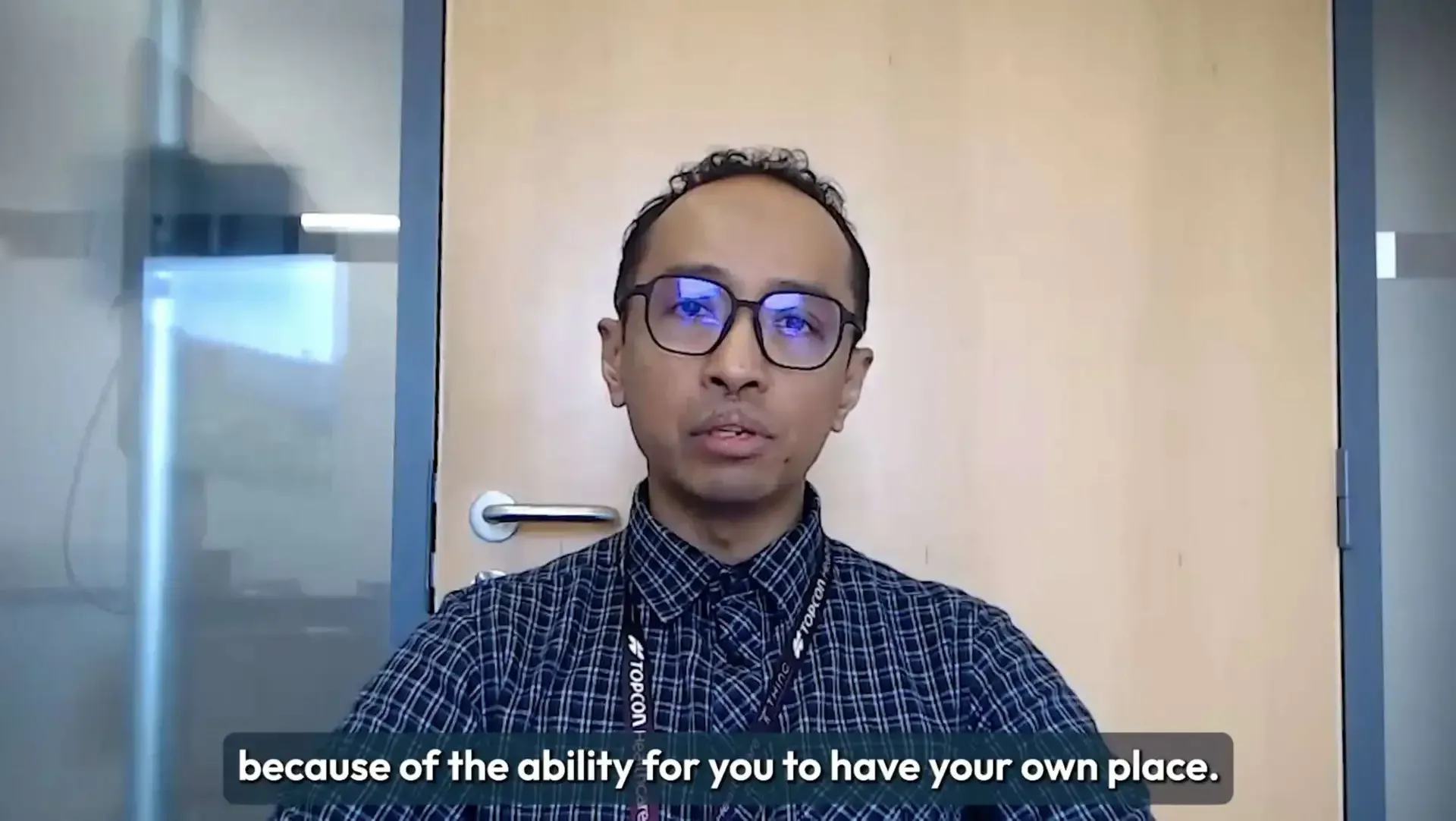
Case study 1: Harriette
PhD student, University of Sheffield
Harriette’s first two years required full-time campus presence. By her third year, with lab work largely complete, contact time dropped sharply. She still needed periodic access to Sheffield, but not a full academic year of accommodation. Her options, as she saw them, were a 52-week lease she would barely use, or hotels every time she needed to return to campus. Neither made financial sense.
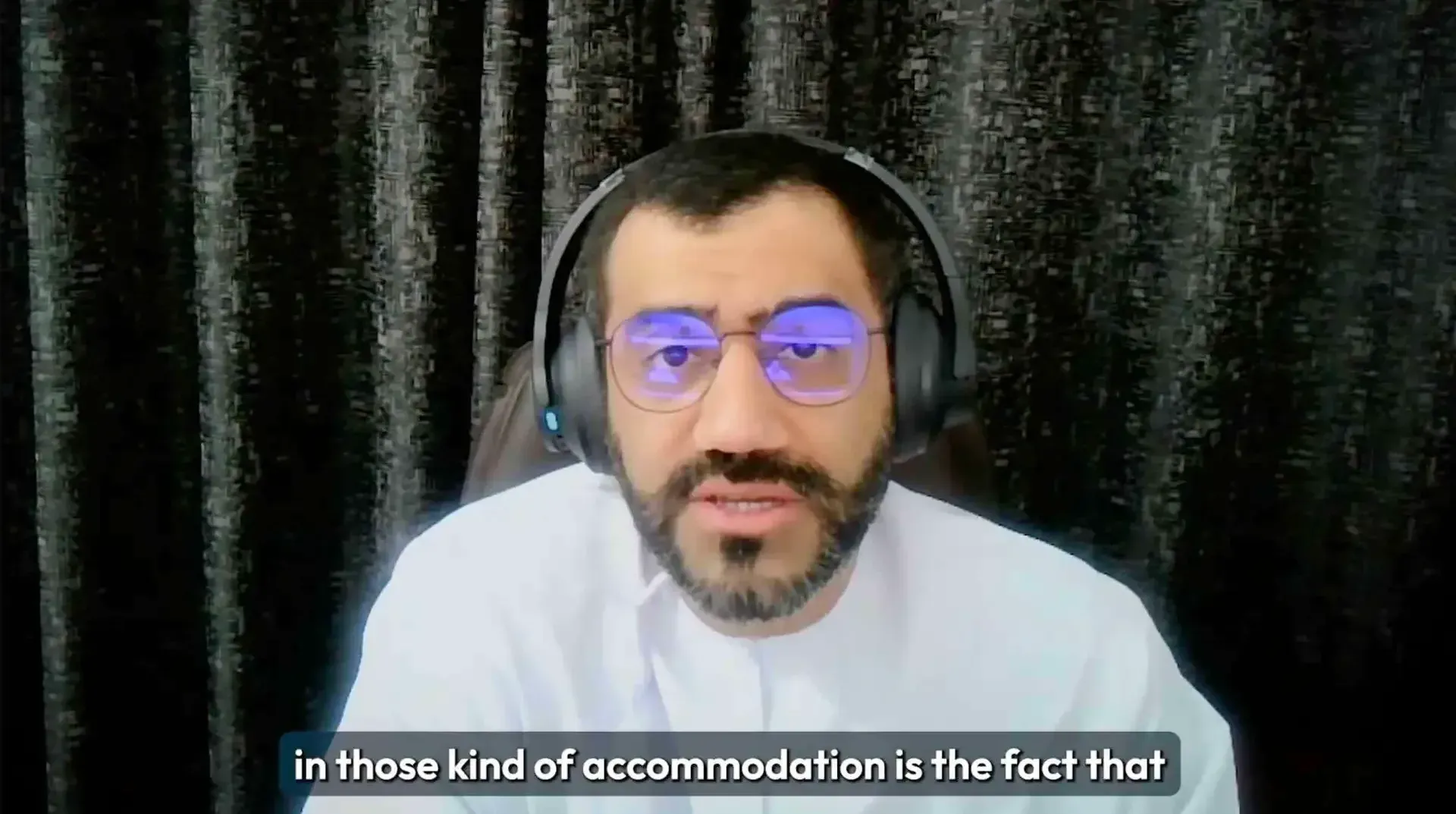
Case study 2: Salim
Part-time blended learning student, University of Sheffield. Based in Oman.
Salim is a full-time working professional who attends study schools in Sheffield multiple times per year. Each visit lasts between three days and a week. His first trip, he checked into a hotel. He has not done so since.
Case study 3: Effendy
Postgraduate researcher, University of Liverpool
Effendy was invited to attend a short course at the University of Edinburgh. He had no contacts in Edinburgh and no prior knowledge of the city’s accommodation market. He searched Booking.com for a youth hostel, found none, and kept looking.
None of these students were seeking summer accommodation. All three had recurring, year-round needs for short stays in cities where they were studying or undertaking research.
In their own words: how they found it
All three discovered flexible, short-stay dedicated student accommodation through unplanned means. None were directed to it by their university, their accommodation provider, or any form of deliberate outreach.
“I wouldn’t have known about it at all if I didn’t have a friend who was another PhD student who had told me about it. I don’t think there is enough awareness.”
Salim learned about the option from a colleague during his first visit to Sheffield, after already having checked into a hotel. Effendy found a suitable building on Booking.com while searching for something else entirely.
“I just did not really think that it was dedicated student accommodation. I thought it was maybe an Airbnb.”
Once found, the experience was consistently positive. All three have returned to use flexible short-stay accommodation again.
“Being able to stay for a couple of weeks at a time was kind of the perfect solution for the situation I was in.”
On what the industry should do differently, Harriette is pretty frank.
“I think it’s something universities should be more involved in, or even if the [PBSA] buildings themselves made it clearer, because so many of them offer [short stay flexible accommodation] but you simply wouldn’t know unless you’re on Booking.com or Airbnb.”
The business case
Student accommodation operators are navigating an increasingly complex risk environment. Geopolitical instability, cost of living pressures, evolving visa policy, and the continued normalisation of remote and hybrid learning are reshaping the demand profile that operators have historically planned around. International student recruitment, which many universities and PBSA portfolios rely on heavily, has become harder to forecast year on year.
The students in this research are not edge cases. They represent a segment of the UK student population that has grown considerably over the last decade. HESA data shows the UK postgraduate population to be approximately 800,000 – a figure that includes a significant and increasing share of part-time, commuter and internationally mobile students. These students do not sign 52-week tenancy agreements. They move in and out of cities according to course schedules, research commitments, and institutional requirements.
The commercial logic follows from what operators already understand about yield. An empty bed is a sunk cost. Where flexible short-stay inventory can be made visible and bookable to students who need it for days or weeks at a time, it converts occupancy that would otherwise be lost. The research shows these students are actively searching via OTA channels that are the most convenient and familiar to them given their requirement. It also shows they are struggling to find what they need through any direct channels that the operator typically owns and controls.
Alongside yield optimisation, there is a further important risk diversification argument. Portfolios that depend on a single demand profile carry concentrated occupancy risk in a market where that profile is becoming harder to predict. A short-stay layer adds a more dynamic demand channel that responds to a different set of drivers. That is a meaningful structural advantage when any single driver proves unreliable, or fails.
The students in this research found the accommodation they needed largely by accident and as a result of their own hard work. Although the operators whose buildings they stayed in of course set out to serve people just like them – the fact that they are actually finding each other through non-dedicated channels, without prior awareness, remains unnecessarily fortuitous. Just imagine what might be possible with greater planning and more strategic, intentional execution. That’s the opportunity that gets the team excited here at Lavanda!
And that gap between available supply and reachable demand is open year-round, not just over the summer months. These students will tell you so themselves.
“In Their Own Words” is a Lavanda research series. This is the first of three pieces drawing on research conducted with CampusLife in 2026.
Research methodology: qualitative interviews were conducted throughout Q2 and Q3 2026 by CampusLife on behalf of Lavanda. Participants were all students who had booked and stayed in short-stay accommodation via the Lavanda platform at some point between January and May 2026. Each one was offered a £50 Amazon voucher in exchange for their candid feedback. All quotes are reproduced verbatim from interview recordings.