Hotels deliver a functional transaction. A room, a bed, a bathroom. For a business traveller or a tourist, that is often enough. For a student spending a week in a city to attend a study school, sit a viva, or complete a short course at another institution, the comparison with a purpose-built student building tells a different story.
This is the second in a three-part series drawing on research conducted by Lavanda and CampusLife in Q2 2026. Part 1 examined the year-round demand for flexible short-stay student accommodation, and why most students find it by chance rather than design. This piece looks at what students say about the experience itself, and what it reveals about how operators should be positioning this product.
The case studies
Harriette, Salim, and Effendy were introduced in Part 1 . Each had a different reason for needing flexible short-stay accommodation, and each found it through unplanned means. What they share, beyond the initial discovery, is what happened next.
Case study 1: Harriette
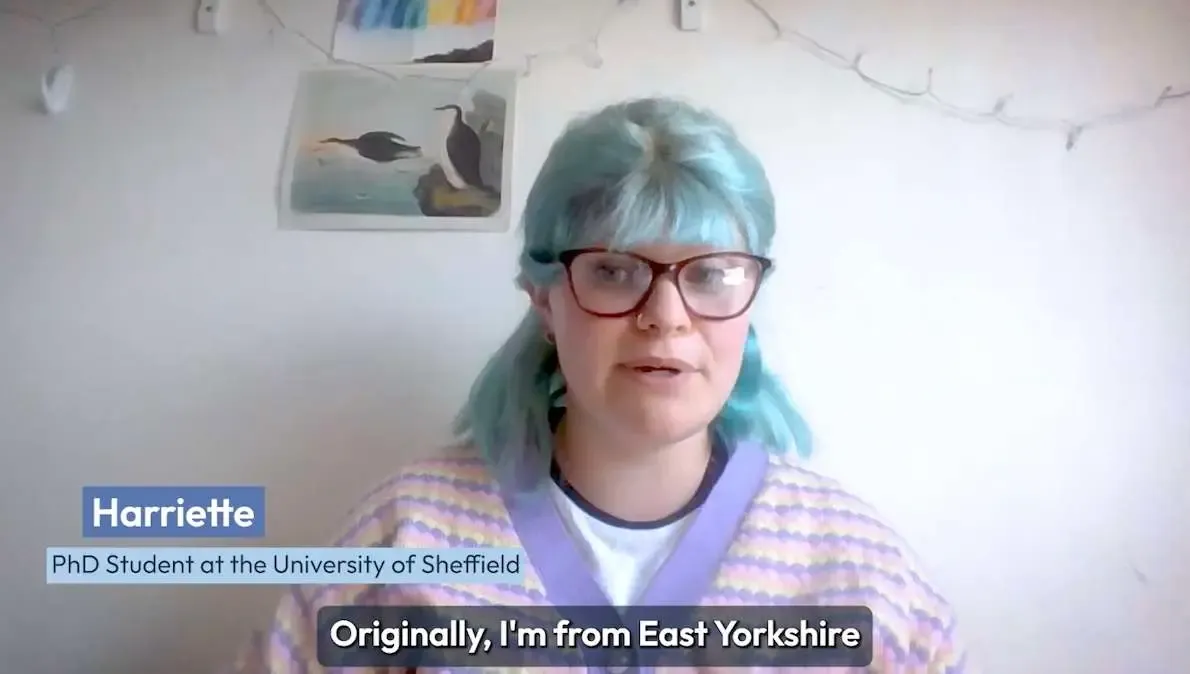
PhD student, University of Sheffield
Harriette needed intermittent access to Sheffield during her third year, when campus contact time had dropped significantly. Having stayed in university accommodation during her masters and first two PhD years, she was already familiar with the environment. The question was whether short stays in the same type of building were possible. They were.
Case study 2: Salim
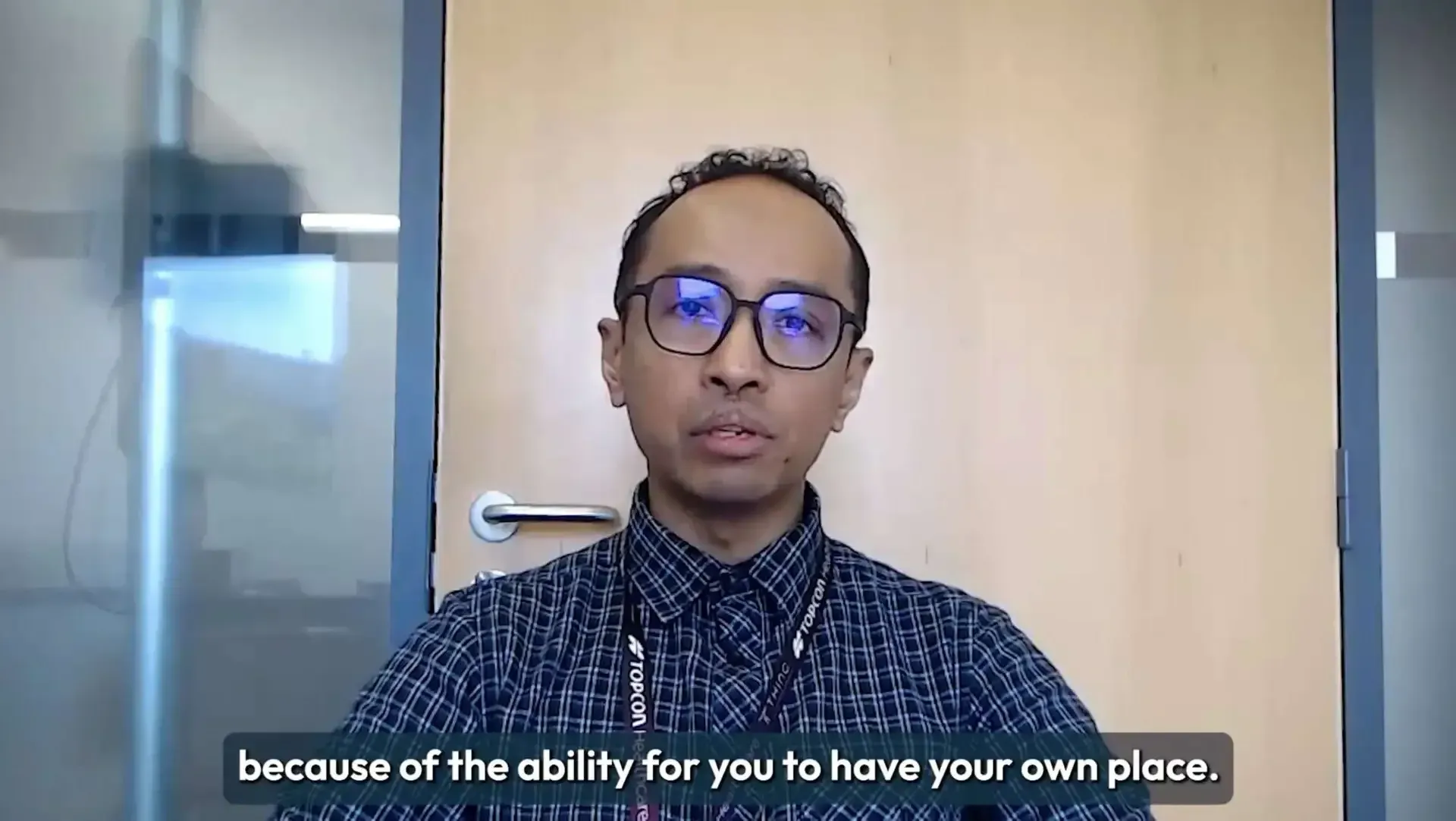
Part-time blended learning student, University of Sheffield. Based in Oman.
Salim’s first visit to Sheffield for a study school was spent in a hotel. A colleague told him about the short-stay option before his second visit. He has used it on every subsequent trip.
Case study 3: Effendy
Postgraduate researcher, University of Liverpool
Effendy stumbled onto flexible student accommodation on Booking.com while searching for a youth hostel in Edinburgh. Initially uncertain whether it was even intended for students, he booked it. He returned the following year.
In their own words: what the experience is actually like
What these students describe is not a hotel experience at a lower price point. It is a different category of experience entirely.
“It gives you the vibe that you are a student and you are part of the community itself. That’s what I loved about the experience.”
Salim makes the same point more specifically. The distinction he draws between a hotel room and a student building is not primarily about cost. It is about what the building is designed to do.
“They are a lot more homely. But it’s also about the facilities that are also there, because it’s not just a hotel room. They have a fantastic gym. They have lounges, dining rooms. It’s more of a rounded experience.”
The 2am observation is the most telling detail in all the research. It captures something a hotel cannot manufacture, regardless of the amenities on offer.
“If you’re in the lounge at 2am working on a report and there’s someone else working on a report across the room, there’s a sense of community in that. It’s nice to know that it’s all just students having the same experience.”
Location and self-catering: the practical case
Beyond the social environment, students cite two practical factors that consistently tip the comparison in favour of PBSA. The first is location. Students attending short courses or study schools typically do not have cars. A building within walking distance or a short cycle of the campus is not a convenience. For many, it is a requirement.
“Location plays an important role. As a student you don’t really have a private vehicle. You only have maybe a bicycle or you need to walk. So location is the second most important criteria.”
The second is self-catering. A hotel room provides no kitchen. For students with specific dietary requirements, or those simply trying to manage their costs across a week-long stay, the ability to cook is significant.
“As a Muslim I usually look for halal food. Going to a hotel is going to be a little bit tricky. When I go to those short-term stays I go to a supermarket, fetch my own food, keep it in the fridge and make it on my own. This was one of the motivations that allowed me to basically go there the second time.”
That last sentence is the commercial point. The self-catering capability was not just appreciated. It was the direct reason Effendy returned. Retention driven by the product itself, not by a loyalty scheme or a discount.
The positioning implication for operators
Operators who offer flexible short-stay inventory are often not making the most of what they have. The product story is stronger than the price story, but most operators lead with price when they communicate with this segment at all.
What these students describe is an environment built around their lives: the gym, the communal spaces, the student-only occupancy, the walkable location, the kitchen. These are not incidental features. They are the reason students choose PBSA over hotels, and the reason they come back.
For operators thinking about how to position flexible short stays, the question is not how to undercut the hotel down the road. It is how to communicate the fact that you are offering something the hotel cannot. That is a more defensible position, and, as this research suggests, one that converts first-time bookers into repeat visitors.
Lavanda works with student accommodation operators to make flexible inventory visible and bookable to the students who need it. To understand how that works in practice, get in touch with our team or experts.
In Their Own Words is a Lavanda research series. Part 1 examined the year-round demand for flexible student accommodation and why most students find it by chance. Part 3, coming shortly, makes the financial case: what students say about the cost of flexible short stays compared to the alternatives.
Research methodology: qualitative interviews were conducted in Q2 2026 by CampusLife on behalf of Lavanda. Participants were students who had booked short-stay accommodation managed through the Lavanda platform and were offered a £50 Amazon voucher in exchange for their participation. All quotes are reproduced verbatim from interview recordings.